เข้าร่วมการประชุมรัฐมนตรีต่างประเทศอาเซียน – อินเดีย
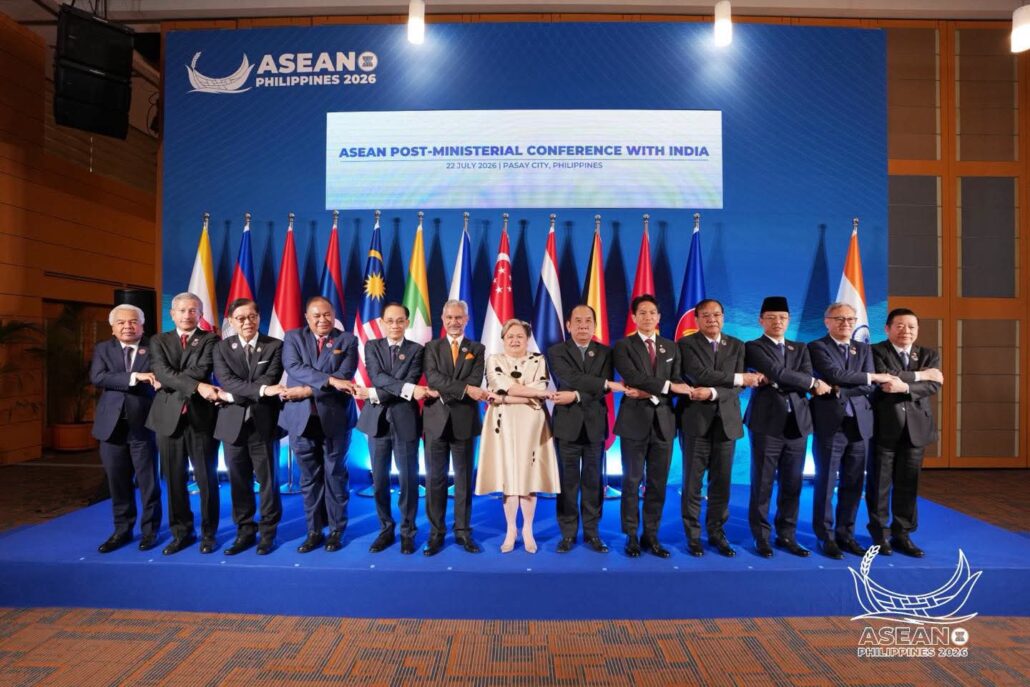
เมื่อวันที่ 22 กรกฎาคม 2569 นายสีหศักดิ์ พวงเกตุแก้ว รองนายกรัฐมนตรีและรัฐมนตรีว่าการกระทรวงการต่างประเทศ เข้าร่วมการประชุมรัฐมนตรีต่างประเทศอาเซียน – อินเดีย ในห้วงการประชุมรัฐมนตรีต่างประศอาเซียน ครั้งที่ 59 และการประชุมที่เกี่ยวข้อง ที่กรุงมะนิลา สาธารณรัฐฟิลิปปินส์
ที่ประชุมหารือการขับเคลื่อนความเป็นหุ้นส่วนทางยุทธศาสตร์อย่างรอบด้าน (Comprehensive Strategic Partnership: CSP) ผ่านแผนปฏิบัติการ (Plan of Action: POA) ปี 2026–2030 บนพื้นฐานของความเป็นแกนกลางของอาเซียน (ASEAN Centrality) การส่งเสริมความสอดประสานระหว่างมุมมองอาเซียนว่าด้วยอินโด-แปซิฟิก (ASEAN Outlook on the Indo-Pacific: AOIP) กับข้อริเริ่ม Indo-Pacific Oceans Initiative (IPOI) ของอินเดีย และการสนับสนุนปี ค.ศ. 2026 เป็น ASEAN-India Year of Maritime Cooperation
ที่ประชุมยังเน้นการเร่งสรุปผลการทบทวนความตกลงการค้าสินค้าอาเซียน – อินเดีย (ASEAN-India Trade in Goods Agreement: AITIGA) ภายในปีนี้ พร้อมส่งเสริมความเชื่อมโยงทางเศรษฐกิจและดิจิทัล การค้า การลงทุน ความมั่นคงทางพลังงาน ความร่วมมือในการแก้ไขปัญหาการหลอกลวงทางออนไลน์ และความเชื่อมโยงระหว่างประชาชนผ่านความร่วมมือด้านการศึกษา วัฒนธรรม และการชำระเงินข้ามพรมแดน
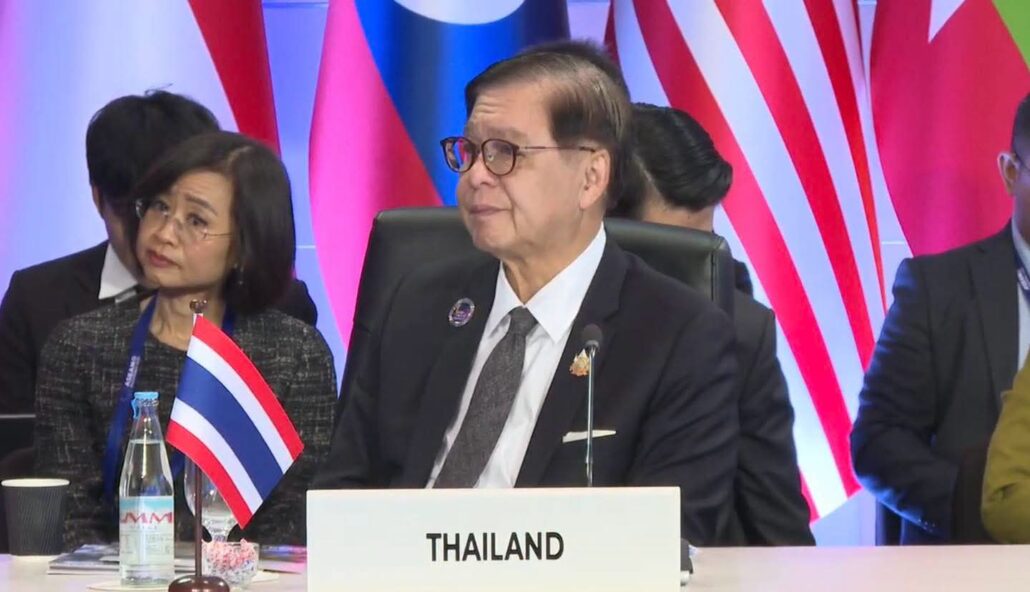
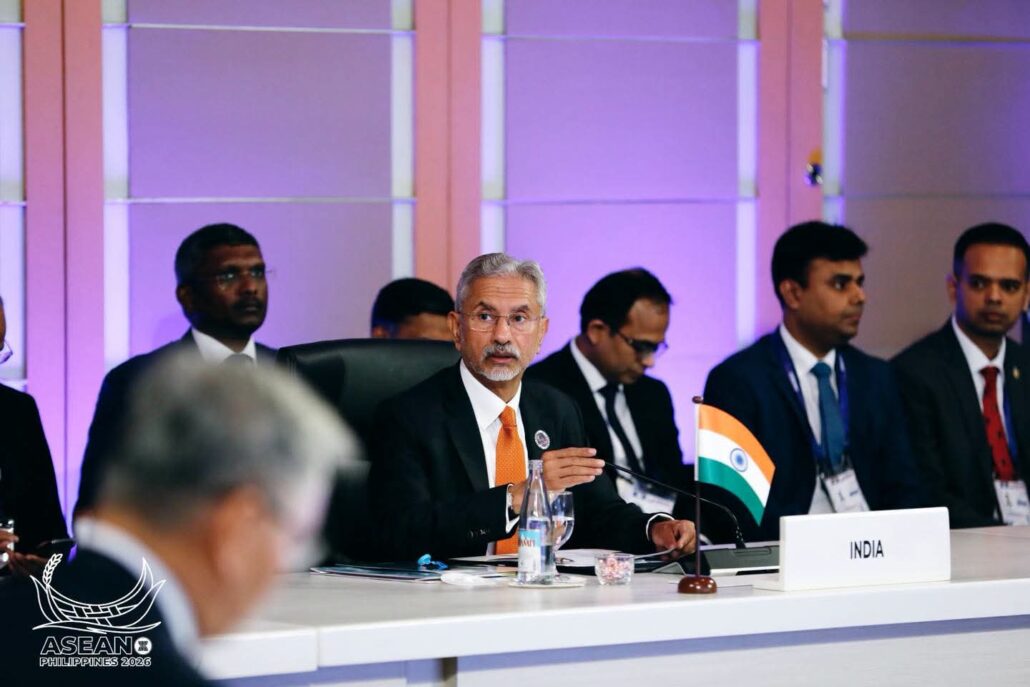
On 22 July 2026, H.E. Mr. Sihasak Phuangketkeow, Deputy Prime Minister and Minister of Foreign Affairs, participated in the ASEAN Post-Ministerial Conference with India, on the sidelines of the 59th ASEAN Foreign Ministers’ Meeting and Related Meetings, in Manila, the Philippines.
The Meeting advanced the ASEAN – India Comprehensive Strategic Partnership (CSP) through the 2026 – 2030 Plan of Action (POA), based on ASEAN Centrality. It also underscored the importance of promoting synergies between the ASEAN Outlook on the Indo-Pacific (AOIP) and India’s Indo-Pacific Oceans Initiative (IPOI), as well as supporting 2026 as the ASEAN – India Year of Maritime Cooperation.
The Meeting also emphasized the importance of concluding the review of the ASEAN – India Trade in Goods Agreement (AITIGA) within this year. Ministers further discussed enhancing economic and digital connectivity, trade, investment, energy security, cooperation in combating online scams, and people-to-people connectivity through collaboration in education, culture, and cross-border payment systems.